What are Restorative Practices?
History of Restorative Practices
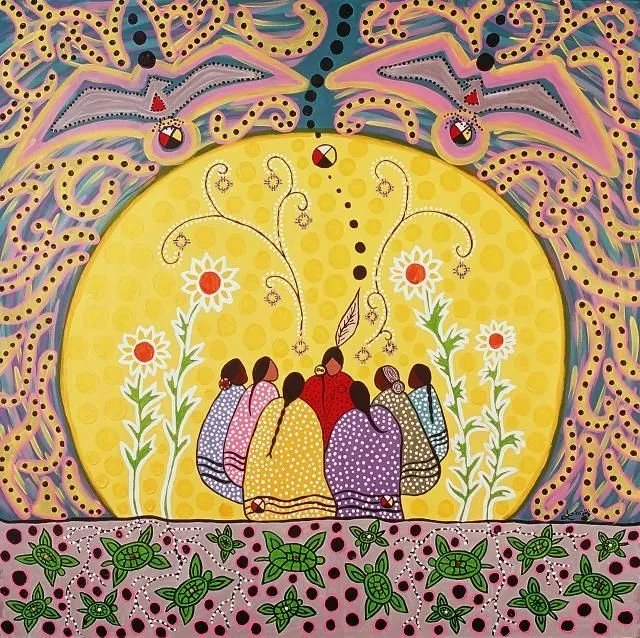
Restorative practices have deep roots in Indigenous traditions around the world, where communities have long used circle processes and communal dialogue to address harm, restore balance, and uphold relationships.
In modern contexts, restorative justice emerged in the 1970s as an alternative to punitive systems, focusing on repairing harm through accountability and healing. Over time, these principles expanded beyond the justice system into schools, workplaces, and communities—evolving into what we now call restorative practices.
Today, restorative practices are used globally to build trust, strengthen communities, and create cultures rooted in empathy, equity, and connection.
-
Restorative practices are not new—they are rooted in the wisdom of Indigenous communities around the world, who have long used collective, relational approaches to address harm and maintain harmony.
In many Indigenous cultures—including those of the Navajo (Diné), Maori, Anishinaabe, and many African and First Nations peoples—justice has traditionally focused not on punishment, but on restoration. These communities have long held practices like peacemaking circles, truth-telling, and community dialogue that prioritize accountability, healing, and the reintegration of those who have caused harm.
These traditions often center elders and community facilitators who guide people through structured processes of listening, storytelling, and reconciliation—always with the aim of restoring balance, dignity, and right relationship.
-
While restorative approaches have long existed in Indigenous cultures, the 1970s marked the beginning of their formal recognition and adoption within Western legal and institutional systems. This period is often identified as the emergence of modern restorative justice—a movement that began challenging the punitive, offender-centered focus of criminal justice systems.
One of the earliest and most cited cases occurred in 1974 in Kitchener, Ontario, Canada, when a probation officer named Mark Yantzi and a Mennonite community justice advocate, Dave Worth, facilitated a meeting between two young offenders and the victims of their property crimes. Instead of traditional sentencing, the two youths were asked to meet with the people they had harmed, listen to the impact of their actions, and come to an agreement on how to repair the harm. This encounter—later known as the first victim-offender reconciliation program (VORP)—became a cornerstone of the restorative justice movement.
At the same time, Indigenous communities in Canada and New Zealand were advocating for the recognition and reintegration of their own justice traditions. In New Zealand, the Maori pushed for the use of family group conferencing, which eventually became part of the country's youth justice system in the late 1980s. These models were deeply influenced by traditional Maori values of collective responsibility, inclusion, and restorative accountability.
Meanwhile, in the U.S., Native American peacemaking courts, such as those used by the Navajo Nation, quietly continued their relational forms of justice, even as mainstream systems remained adversarial. Over time, their models began to gain attention and respect as communities looked for more humane, effective alternatives to incarceration.
Throughout the 1980s and 1990s, the ideas behind these programs began expanding beyond justice systems into schools, workplaces, and communities, evolving into what is now broadly referred to as restorative practices—a field that emphasizes proactive relationship-building, conflict prevention, and community accountability.
-
Restorative practices have grown far beyond the justice system. Today, they are used across schools, workplaces, communities, and families as a way to build connection, respond to harm, and create cultures rooted in empathy, accountability, and care.
In schools, restorative practices help shift away from punitive discipline by fostering community, addressing conflict through dialogue, and supporting youth development. Circles, peer mediation, and restorative conversations are used to build trust and reduce suspensions and disparities.
In workplaces and organizations, restorative practices are used to strengthen team relationships, address harm with transparency, and create equitable, inclusive cultures. Leaders are turning to restorative approaches to navigate conflict, hold space for repair, and support sustainable change.
In communities, restorative practices provide pathways for healing after harm, especially where systems have failed. They’re used in housing, reentry, policing alternatives, and grassroots initiatives to repair relationships and support reintegration.
What remains consistent is the heart of the practice: listening deeply, honoring lived experience, and choosing relationship over punishment. Whether in a classroom, a circle, or a boardroom, restorative practices invite us to lead with compassion, embrace accountability, and reimagine justice—together.

Relationship
This emphasizes that positive relationships within a community are essential. When harm occurs, the community must unite to address the damage and create an environment that encourages the responsible party to accept responsibility and make amends.

Repair
Creating space to focus on actively working towards addressing the harm done and restoring positive relationships.
Reintegration
Seeks to facilitate the reintegration of individuals into the community after they have taken responsibility and made efforts towards making amends for their actions.
Pillars of Restorative Practices

Respect
Respecting our differences fosters a safe environment for open communication, which is essential for understanding the root causes of conflict and harm.
Responsibility
Restorative Practices seeks to address the questions:
Who is responsible for the harm?
Who was all harmed?
Accountability involves acknowledging one's own role in a conflict and taking ownership of the harm caused.
Applying Restorative Practices
Applying restorative practices means weaving healing, accountability, and relationship-building into the fabric of everyday life. Whether in homes, schools, workplaces, or communities, it invites people to pause, listen deeply, and respond with empathy and care.
It’s about creating spaces where harm can be acknowledged, trust can be rebuilt, and everyone has a voice. Restorative practices aren’t just tools—they’re a way of being that centers connection, shared responsibility, and the belief that transformation happens in relationship.
-
Restorative practices work by creating intentional spaces for connection, accountability, and healing—whether in response to harm or to proactively build community. Instead of focusing on punishment, they ask: What happened? Who was affected? What needs to be done to make things right?
At their core, restorative practices are grounded in the belief that relationships matter. When harm occurs, those most impacted come together to talk honestly about what happened, how it affected them, and how to move forward—often through circles, dialogue, or conferencing.
Here's how they work in practice:
Building Relationships: Circles and regular check-ins help build trust, empathy, and understanding before harm ever occurs.
Addressing Harm: When conflict or harm happens, restorative conversations give everyone a chance to be heard, take responsibility, and participate in repair.
Repairing and Rebuilding: The goal is not punishment, but restoring trust, healing relationships, and supporting accountability that leads to growth.
Empowering Communities: Restorative practices involve everyone affected—not just the harmed or the harmer—so that healing and justice are shared, not imposed.
Restorative practices work because they center people, not punishment. They hold space for truth, recognize dignity, and offer tools for lasting change—personally, relationally, and systemically.
-
Educators & Schools
To build trusting classroom communities, reduce disciplinary disparities, and create safe, inclusive spaces for learning and growth.
Families & Caregivers
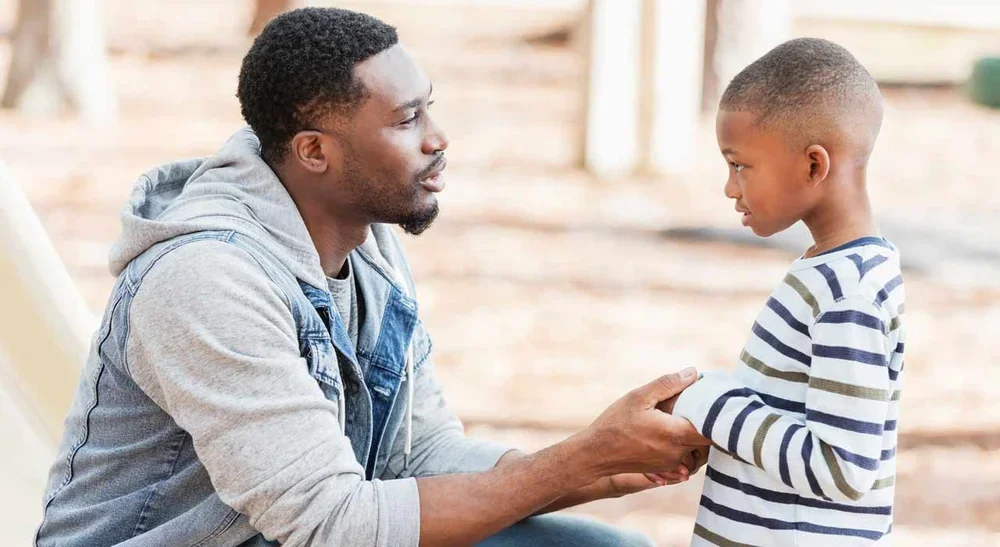
To strengthen communication, resolve conflict without punishment, and foster connection rooted in empathy and accountability—especially through tools like restorative parenting.
Community Leaders & Facilitators
To host dialogue, repair harm, and promote healing in neighborhoods, grassroots movements, or across generations.
Organizations & Workplaces
To shift culture toward collaboration and care, address conflict with integrity, and support belonging, equity, and mutual respect.
Justice Systems & Reentry Support
To create alternatives to punitive systems by offering meaningful accountability, healing for survivors, and pathways for reintegration.
Youth & Peer Leaders
To build leadership, support conflict resolution, and deepen self-awareness and empathy in peer groups, schools, or after-school spaces.
Everyone
-
Improved Communication & Relationships
Encourage open, honest dialogue that strengthens trust, deepens understanding, and fosters mutual respect in any setting.
Meaningful Accountability
Support individuals in taking responsibility for their actions—not through punishment, but by repairing harm and learning from mistakes.
Healing & Emotional Well-Being
Provide space for people to be heard, validate lived experiences, and process harm in ways that promote healing and growth.
Stronger, More Connected Communities
Build a culture of care, connection, and collective responsibility—whether in schools, organizations, neighborhoods, or families.
Improved School Climate & Youth Outcomes
Reduce suspensions and discipline disparities, while promoting inclusion, belonging, and leadership among students.
Trauma-Informed Conflict Resolution
Create safe, supportive environments that respond to harm in ways that acknowledge trauma and promote resilience.
Equity & Systemic Change
Center the voices of those most impacted, challenge punitive systems, and help build just, inclusive cultures that are rooted in empathy and repair.
-
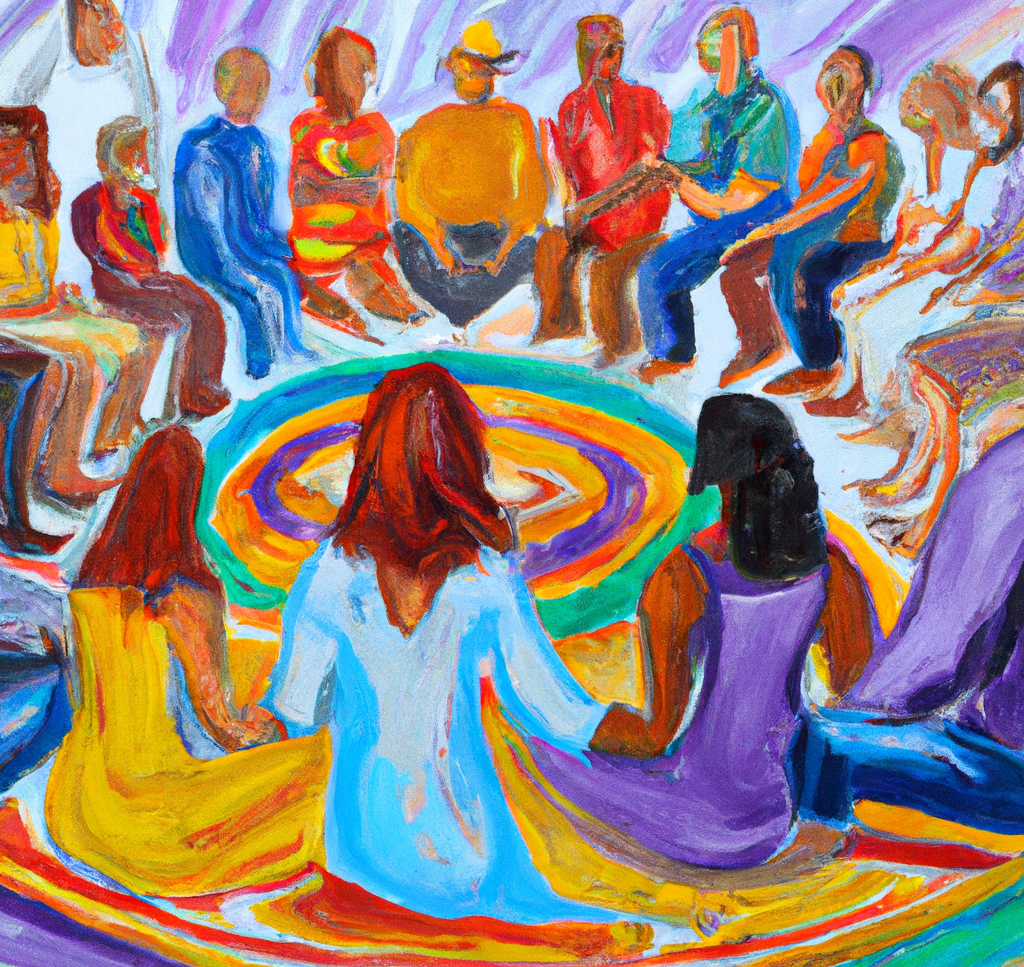
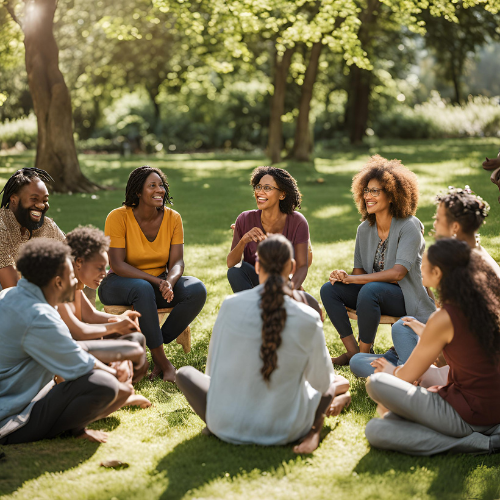
Circles are a foundational practice in restorative work—used to build trust, address conflict, and nurture community through intentional dialogue.
They offer a safe, equitable space where every voice matters. By gathering in a physical circle—a symbol of unity and shared humanity—participants are invited to speak, listen, and reflect without interruption or judgment.Core Elements of a Circle:
Talking piece: An object passed around to ensure one voice at a time and respectful listening.
Facilitator/keeper: A trained guide who creates a supportive space and upholds the structure.
Agreements: Shared values or guidelines created by the group to maintain safety and trust.
Rounds: Each participant is invited to respond to prompts or questions in turn.
Circles are powerful because they honor every person’s dignity, encourage deep listening, and allow for collective wisdom and healing to emerge. They are a space where truth can be spoken, harm can be acknowledged, and connection can be rebuilt.
-
Community-Building Circles
Used proactively to strengthen relationships, build trust, and create a culture of belonging. These circles often explore values, identity, gratitude, or shared experiences.
Purpose: Connection before correction.
Harm or Conflict Circles (Responsive)
Facilitate healing and accountability after harm has occurred. They include all those impacted—those who caused harm, those affected by it, and relevant community members.
Purpose: Repair relationships and promote understanding and accountability.
Reintegration Circles
Support the return of someone to a community after absence or conflict (e.g., returning from suspension, incarceration, or illness), helping rebuild trust and welcome them with support.
Purpose: Foster safe, supportive transitions.
Problem-Solving Circles
Used to address challenges or make group decisions. Everyone contributes perspectives, and collective wisdom guides the next steps.
Purpose: Inclusive, collaborative decision-making.
Youth-Led or Peer Circles
Empower young people to lead dialogue with their peers, often in schools or community settings. These promote leadership, agency, and shared responsibility.
Purpose: Elevate youth voice and leadership.
Celebration or Affirmation Circles
Used to honor milestones, achievements, or individuals. These build positive culture and reinforce community values.
Purpose: Celebrate, uplift, and affirm.
Restorative Parenting Circles
Create supportive spaces for caregivers to reflect on their parenting practices, deepen emotional connection with their children, and learn to approach discipline through empathy and accountability.
Purpose: Strengthen family bonds, model restorative values, and foster healing-centered parenting.
Each type of circle reflects the belief that healing, accountability, and connection are most powerful when people are invited to share and listen in an intentional, respectful space.